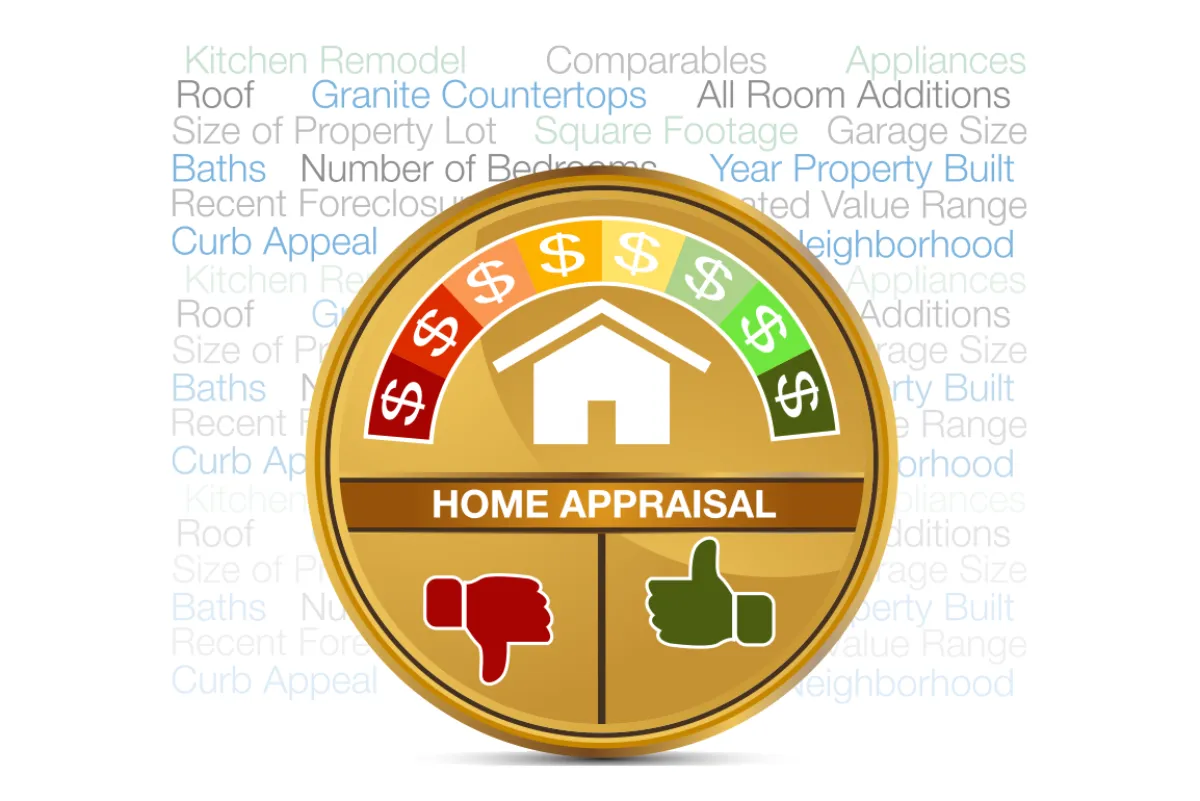
 Part of refinancing your mortgage loan can be a refinance appraisal. This may seem a bit intrusive and repetitive, especially since an appraisal and home inspection were required before obtaining your initial mortgage loan. You may not understand why an appraisal is even necessary at this point.
Better Rate Mortgage wants you to understand every step of the refinancing process, including the hows and whys of an appraisal. Here’s what you need to know.
What is a Refinancing Appraisal and Why Do I Need One?

A refinancing appraisal is similar to an initial purchase appraisal, and just as important. It is a professional evaluation of your home’s value and borrowing equity. Your new lender (even if it’s the same one from your original mortgage) wants to know what kind of shape your home is in, and if it’s value is enough to cover the new refinancing loan amount.
What value hinges on two main factors — one within your control and one that is not.
- The Local Market for Homes Like Yours
- How Well You Have Maintained the Home
Homes are usually a wise investment because they almost always appreciate in value; this means that over time, they become even more valuable. But, sometimes they can depreciate in value, or the value can go down. This can happen when homes in your area similar to yours drop in value, the area becomes depressed, there is a drop in demand for homes, or some other economic event. In this case, your home appraisal could be less than what you owe, and refinancing is not possible; or you could be forced to borrow a lesser amount than desired.
The second factor is up to you. Lenders want to know how well you have kept up the property in question. If you have let it go and it has noticeably deteriorated, it can impair your ability to get a loan. The value may have gone down — and if you didn’t take care of it until now, how bad will things get over the next several years? If the lender feels that poor upkeep is a threat to their investment, they will surely not issue a refinancing loan.
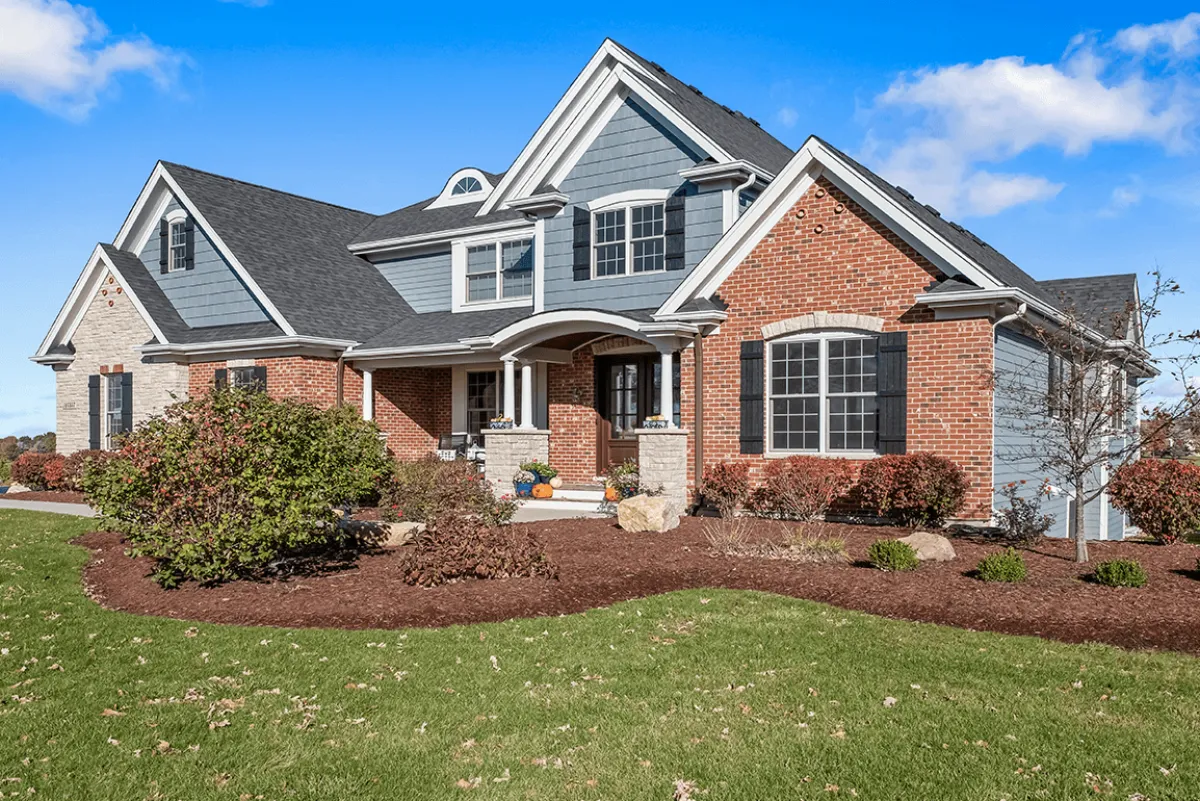
What Factors are Considered in a Refinancing Appraisal?
Mortgage appraisals, and refinancing appraisals, are conducted by independent third parties, although your lender can help you locate one in your area. The appraiser will look at several factors in particular to determine a home’s value. These include the following:
The Basic Condition of Your Home
Again, this is where how well you have maintained the home comes into play. While an appraiser may not check light switches or electrical outlets like a home inspector, they will assess the home’s basic condition. This may include:
- General condition
- Number of bedrooms, bathrooms
- Lead paint
- HVAC system condition
- Health & safety considerations
- Roof condition
- Any signs of poor drainage
Any Upgrades to Your Home
Any upgrades or improvements you have made to the home after purchase can increase its value, and these will be noted by your appraiser. These upgrades must be permanent and not something you can take with you if you move away. In particular, they will look at upgrades to the living space of the home, like additional rooms, but also garages, porches, decks, pools, or refinements to an existing basement.
Comparable Homes In Your Area
The appraiser will compare the above evaluations with other homes in your area. They also examine public records of area homes to determine their value, asking or selling price, and other factors that impact property values.
Must I Have a Refinancing Appraisal?
While a refinancing appraisal is almost always required, in some cases it is not; or, there can be other alternatives to an in-person appraisal. For example, The VA and FHA Streamline Refinancing Loans do not require any appraisal.
The recent pandemic has made other forms of appraisal more popular than ever, and some lenders and appraisers have adapted to use them in place of traditional in-person appraisals. Information about your home can be researched online, as well as some photographs. Simply driving by, parking outside, and looking around can provide considerable information without requiring actual human contact.
Of course, your lender will stipulate the type of refinancing appraisal they require, and the cost of any appraisal will be included in your loan closing costs, as revealed on your loan closing disclosure document.
Are You Ready to Investigate the Mortgage Refinancing Process?
With Better Rate Mortgage, it’s simple and fast!
- Complete our simple home refinance analysis request
- Receive options based on your unique criteria and scenario
- Compare mortgage interest rates and terms
- Choose the offer that best fits your needs
Contact Better Rate Mortgage today with your questions and needs. Our mortgage refinancing experts are available to help!